
Blacklisted Phones — Can You Sell Them? The Practical Truth

When a phone is blacklisted, its device identifier (IMEI or ESN) is blocked from cellular networks — and that restriction changes what you can do with the device and what it’s worth. This guide breaks down what blacklists do, how they’re created, and the realistic paths for owners and buyers. You’ll learn how blacklists are enforced, how to find and check an IMEI/ESN, the legal lines that matter, practical resale and disposal channels, and a clear action plan if you unknowingly buy a blocked phone. We mix step‑by‑step technical checks (how to find the IMEI/ESN and run verifications) with legal and ethical guidance so you can decide whether to sell, repair, recycle or return the device. After this overview, we explain blacklists in plain terms, show IMEI checks, compare selling options, outline legal risks, and finish with prevention and resolution checklists you can use right away.
What Is a Blacklisted Phone and Why Does It Matter?
A blacklisted phone is one whose unique identifier (IMEI or ESN) has been added to carrier or shared industry databases to block network activation. Carriers use those lists to stop stolen, lost, or otherwise problematic devices from joining their networks — protecting customers and the network itself. The practical effect is immediate: a blacklisted phone usually cannot place calls, send texts, or use mobile data on participating carriers, and its resale value falls sharply because fewer buyers will accept it. Knowing how blacklists work helps owners and buyers avoid financial loss, legal trouble, and bad resale choices, and points to responsible options for disposal or recovery. Below we unpack what a blacklist entry actually does and the typical reasons devices end up listed.
What Does It Mean When a Phone Is Blacklisted?
When a phone is blacklisted, its IMEI or ESN is flagged in carrier or shared databases so participating networks deny service to that device — regardless of which SIM is inserted. This is different from a carrier or SIM lock, which ties a phone to a specific operator; blacklisting targets the device itself. Owners usually notice a blacklist when a phone won’t register on a network, shows activation errors, or gets refused by a provider. Blacklisting can also affect insurance claims and warranties because carriers and insurers often view a blocked device as compromised. Understanding this distinction explains why resale and repair choices narrow and why buyers should always verify device status before purchase.
What Are the Common Reasons Phones Get Blacklisted?
Devices land on blacklists for a few common reasons that carriers track to reduce theft and fraud. The most common is a theft or loss report filed with a carrier or law enforcement — that flags the IMEI to block further misuse. Carriers can also blacklist devices tied to unpaid bills or contract breaches as an enforcement measure. Less often, listings come from fraud investigations or administrative errors. When carriers share data internationally, blacklist effects can follow a device across borders, which complicates resale and cross‑border transfers.
Preventing Mobile Phone Theft: Legislative and Industry-Led Initiatives
Mobile phone theft has prompted both legal and industry responses in the UK. While some sources note increases in phone-related crimes, overall crime rates have shifted thanks to targeted actions by government, police, and mobile providers. Laws such as the Mobile Telephones (Reprogramming) Act and initiatives like the National Mobile Phone Crime Unit reflect progress on this front. Still, theft tactics evolve, so ongoing, coordinated efforts remain necessary to keep reductions steady.
Progress and prospects in the prevention of mobile phone theft, G Farrell, 2006
How Can You Check If Your Phone Is Blacklisted?

Start by locating the device identifier, then use trusted checking methods — not every online tool is equally reliable. Pull the IMEI or ESN, then compare free checkers, carrier confirmations, and reputable industry reports to reach a consistent conclusion. Quick online checks are useful for screening, but a carrier confirmation is the definitive source and may state the reason for the block (stolen, unpaid balance, or error). Below are exact retrieval steps and a comparison of check methods so you can pick the right route based on speed, cost and reliability.
How Do You Find Your Phone’s IMEI or ESN Number?
Finding the IMEI or ESN is easy and there are several ways depending on the phone. Dialing displays the IMEI on most Android and iPhone models — the fastest option. You can also check Settings → About Phone (Android) or Settings → General → About (iPhone), or match the number on the original box or under the battery on older units. Record the number exactly — a typo will give a false result on checkers — so take a photo or screenshot to avoid transcription mistakes. With the identifier in hand, move on to trusted check methods for confirmation.
What Are the Best Ways to Use IMEI and ESN Checkers?
Checkers balance speed, cost and accuracy. Use a tiered approach: start with free online tools for a quick screen, use paid industry reports for stronger evidence, and finish with carrier confirmation for important transactions. Free services vary in freshness and scope; paid reports often pull from broader databases and can list the block reason, but they charge a fee. For the most authoritative answer, contact the carrier associated with the device or request a GSMA-linked/industry report. If results conflict, prioritize carrier-provided documentation or a written carrier statement that explains cause and any removal process.
| Check Method | Speed / Cost | Reliability |
|---|---|---|
| Dial *#06# + Carrier Call | Fast / Free | High when carrier confirms status |
| Free Online IMEI Checkers | Instant / Free | Variable; good for initial screening |
| Paid Industry Reports | Same-day / Paid | High; broader database coverage |
| GSMA/Carrier Database Query | Days / May require account | Highest for international coordination |
In practice: screen with free tools, use paid reports when you need stronger evidence, and get carrier confirmation for final decisions or disputes.
Is It Legal to Sell a Blacklisted Phone?
Whether selling a blacklisted phone is legal depends on why it was blacklisted and whether the seller knowingly transfers stolen property. Ownership, disclosure and local law determine outcomes. Selling your own device that’s blocked for unpaid bills is usually legal if you disclose the status and any outstanding obligations, though marketplaces or buyers may refuse it. Deliberately selling a device known to be stolen or tied to fraud can lead to criminal charges and civil liability in many jurisdictions. Because laws vary, document ownership, disclose blacklist status to buyers, and get carrier-issued statements when resolving disputes.
When Is Selling a Blacklisted Phone Legal or Illegal?
Selling a blacklisted phone is commonly legal when the seller owns the device, fully discloses the blacklist status, and does not misrepresent its functionality. If the block was due to unpaid bills, settling the balance or getting carrier confirmation can restore marketability. But knowingly transferring a stolen or fraud-linked device is trafficking in stolen property in many systems, and ignorance may not always be a defense. When uncertain, secure carrier records and, for high-value sales, a written ownership statement to protect both parties.
What Are the Legal Risks and Consequences of Selling Stolen Phones?
Selling a phone known to be stolen can trigger criminal charges, arrest, device seizure, and civil penalties such as restitution — plus marketplace bans and reputational damage. Law enforcement treats stolen electronics seriously because IMEI tracking links devices to theft rings and fraud. Even an unintentional seller can be swept into investigations, so keep purchase receipts and communications proving good‑faith acquisition. If accused, preserve proof of purchase, contact authorities, and consult legal counsel promptly.
| Situation | Legal Risk | Typical Resolution Path |
|---|---|---|
| Stolen device knowingly sold | High (criminal charges) | Criminal investigation, seizure, prosecution |
| Unpaid-bill blacklist but owned | Low if disclosed | Settle balance or obtain carrier confirmation |
| Administrative error or fraud flag | Moderate | Carrier review and potential removal after documentation |
The reason a device is blacklisted shapes legal exposure and the practical route to fix it. Use documentation and carrier contact to resolve most non‑criminal cases.
Where and How Can You Sell a Blacklisted Phone?

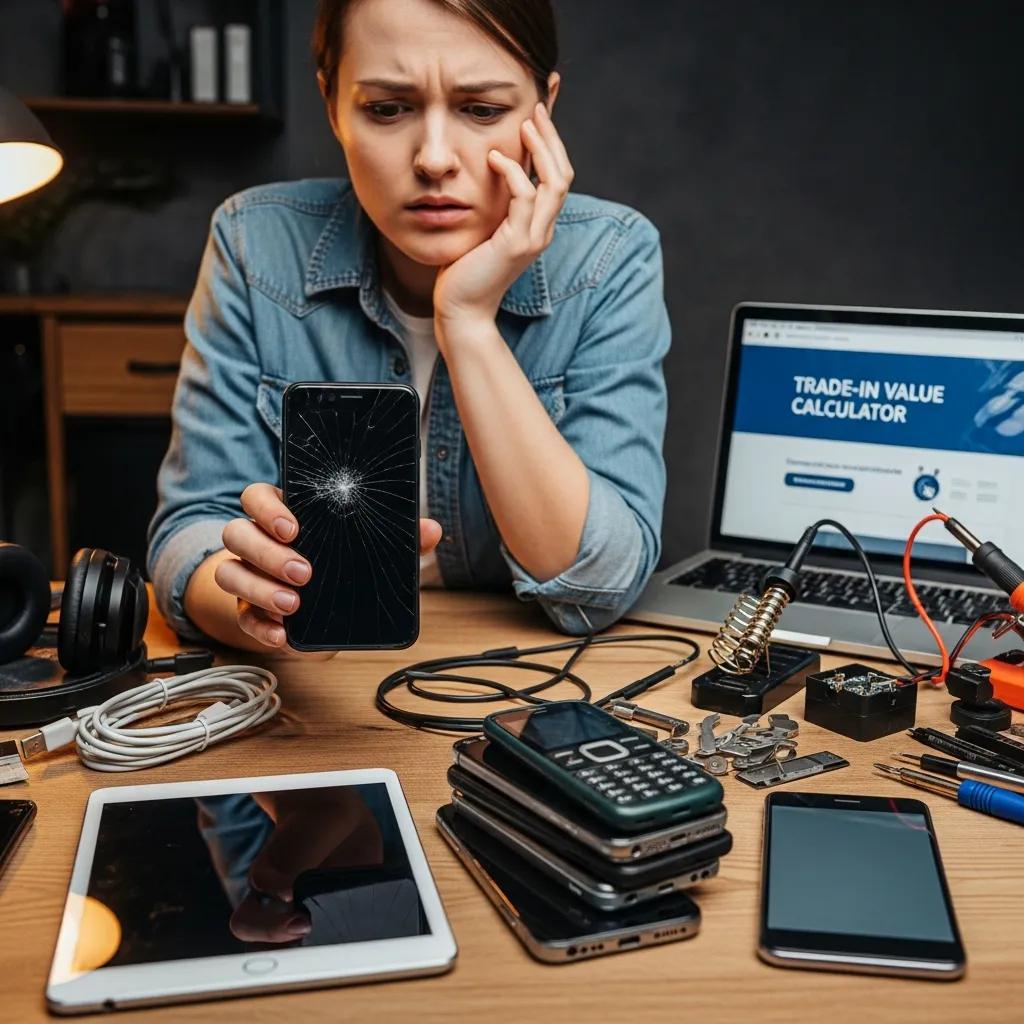
There are sensible options for disposing of or selling a blacklisted phone: specialist buyers, parts marketplaces, repair shops, and recycling programs all accept such devices under different terms and values. Expect offers well below typical resale prices — buyers factor in unlocking difficulty, repair costs, and legal risk. Always disclose blacklist status and get a written receipt that includes the IMEI to protect both parties. Before selling, vet the buyer, verify payment terms in writing, and state the device’s IMEI in listings or receipts to avoid disputes. The table below compares buyer types, inspection/payment methods, and likely price ranges to help you choose the best channel.
| Buyer Type | How They Pay / Inspect | Expected Price Range |
|---|---|---|
| Specialist buyback services | Inspect device, lower offers, bank transfer | Low to moderate (parts value) |
| Repair shops / refurbishers | Assess components, cash or trade | Low to moderate |
| Parts marketplaces (individual buyers) | Buy components, escrow risk on marketplaces | Variable; can be higher for rare parts |
| Recycling centers | Flat fee or free drop-off for safe disposal | Minimal to none |
Which Companies Buy Blacklisted Phones and How Do They Work?
Licensed refurbishers and specialist buyers take blacklisted phones when they plan to harvest parts, repair for non‑carrier uses, or sell into markets that don’t rely on the same carrier databases. They typically inspect the device, confirm IMEI and condition, and offer payment that reflects salvage value rather than full resale value. Get a written receipt that lists the IMEI, declared status and payment terms. Confirm the buyer follows local laws on stolen property and that the transaction is traceable.
Can You Sell a Blacklisted Phone for Parts or Salvage?
Selling a phone for parts often recovers the most value for blocked devices because screens, cameras and batteries are still in demand. When selling parts, create honest listings that state model, component condition and blacklist status, and use reputable marketplaces with buyer protections or local cash sales for lower risk. Insure and package high‑value components properly. Avoid transferring whole devices without clear disclosure to reduce legal exposure. For many owners, selling parts or turning the device over to a certified recycler is the safest way to recoup value.
What Should You Do If You Bought a Blacklisted Phone Unknowingly?
If a phone you recently bought turns out to be blacklisted, act quickly: confirm the IMEI/ESN, gather purchase records, contact the seller or marketplace, and open payment disputes if needed. Fast actions — filing a platform claim or starting a chargeback — raise the chance of a refund or replacement; keep every message as evidence. If the device is reported stolen, contact law enforcement and stop using or reselling it; cooperating with authorities and the selling platform protects you from further liability.
- Verify the IMEI/ESN: Dial *#06# and check with at least one reputable service.
- Collect Evidence: Save receipts, messages and listing screenshots that show the sale details.
- Contact Seller/Platform: Request a refund or resolution through the marketplace dispute process.
- Escalate if Necessary: File a chargeback with your card issuer or contact consumer protection agencies.
Quick, documented action preserves buyer protections and improves the chance of a satisfactory outcome. If the device is verified as stolen, hand over your documentation to law enforcement and the platform when asked.
How Can You Report or Resolve Issues With a Blacklisted Phone?
Resolution depends on why the phone is blacklisted: contact the seller or marketplace for refunds, ask the carrier for review in cases of administrative error, or involve law enforcement for theft. Start by gathering evidence and opening an official dispute with the marketplace or payment provider, citing IMEI/ESN checks and supporting documents. If the block was for unpaid balances but you have proof of purchase, show receipts to the carrier and request a status review or balance settlement. For stolen-device cases, stop trying to reactivate or resell the unit — that can complicate investigations — and give authorities what they request.
What Are Your Rights and Options After Buying a Blacklisted Device?
Buyer protections vary by sales channel and payment method, but common remedies include marketplace refunds, credit‑card chargebacks, or complaints to consumer protection bodies when sellers misrepresent items. Marketplaces typically require seller disclosure and set time windows for filing disputes — acting within those windows and presenting IMEI evidence helps your case. Chargebacks can be effective when the seller won’t cooperate, but they require timely documentation. If those routes fail, consider small‑claims court or a consumer agency depending on the purchase value and jurisdiction.
| Remedy | Typical Timeframe | Evidence Needed |
|---|---|---|
| Marketplace dispute | Days to weeks | Listing, messages, IMEI check screenshot |
| Credit card chargeback | Weeks | Proof of purchase, attempts to resolve |
| Law enforcement report | Variable | Proof device is stolen or fraudulent sale |
This matrix shows common buyer remedies and highlights why quick, clear documentation matters.
How Can You Prevent Buying or Selling Blacklisted Phones?
Prevention comes down to verification and transparency: buyers should demand the IMEI/ESN and verify with carriers before paying, and sellers should resolve balances, get carrier clearance when possible, and disclose status clearly. A short checklist helps both sides reduce risk: buyers verify IMEI, ask for proof of purchase, and use secure payment methods; sellers confirm device status, keep receipts and include the IMEI in listings. Meeting at a carrier store for activation checks or using escrow for remote deals adds protection and helps spot red flags early. Below are practical dos and don’ts and suggested disclosure language for listings and receipts.
What Are the Key Steps to Avoid Buying a Blacklisted Phone?
To avoid buying a blocked device, follow a simple verification workflow: confirm the IMEI, verify the seller’s identity, and use protected payments or in-person checks. First, request the IMEI/ESN and run it through a carrier confirmation or a reputable paid report for high-value purchases. Second, ask for proof of purchase that matches the seller’s name and the device serial; if the seller is evasive or the price is suspiciously low, walk away. Third, prefer in-person transactions at a carrier store where staff can test activation, or use escrow for online deals to reduce fraud risk.
- Request IMEI/ESN and verify it before paying.
- Ask for proof of purchase and confirm seller ID.
- Use secure payment methods or meet at a carrier shop for activation checks.
These steps greatly lower the chance of buying a blacklisted device and protect your ability to request refunds or file disputes.
How Can Sellers Ensure Their Phones Are Not Blacklisted Before Selling?
Sellers should check the device status with an IMEI lookup and contact the carrier to clear unpaid balances or administrative flags before listing. Pay off any account balances tied to the phone, get written carrier confirmation if a block is lifted, factory‑reset the device and remove accounts, and include clear disclosure in the listing — list the IMEI and any known status. Provide a receipt at sale completion that names the IMEI so the buyer knows what they’re getting. These steps maintain seller credibility and reduce post‑sale disputes.
To close responsibly: the goal here is practical education — explain what blacklisted phones are, why they matter, and realistic options for owners and buyers. Owners should check IMEI/ESN first, contact carriers to explore removal or settlement, and use specialist buyers or parts markets when network resale isn’t possible. Buyers should always verify IMEI, request proof of ownership, and use secure payment channels or platform protections. When in doubt about legality or a device’s history, keep documentation and seek carrier or legal advice to resolve disputes responsibly.
Frequently Asked Questions
Can a blacklisted phone be repaired for use on a different network?
In most cases no. Blacklisting blocks the device identifier across participating carriers, so simply switching SIMs or doing a repair usually won’t restore network service. Some people use blacklisted phones for Wi‑Fi or non‑cellular purposes, or sell parts, but reactivating on another carrier is rarely possible unless the blacklist is lifted by the carrier.
What should I do if I suspect my phone is blacklisted?
First, confirm the IMEI/ESN by dialing . Run that number through a reputable checker and contact the carrier for a definitive status. If it is blocked, gather purchase receipts and contact the seller or carrier to understand why and what remedies exist.
Are there any risks associated with buying a blacklisted phone?
Yes. You risk losing money because the phone may not be usable on cellular networks, and you could face legal issues if the device is stolen. Always verify IMEI/ESN before purchase and favor sellers who provide proof of ownership and documented history.
How can I protect myself when buying a used phone?
Ask for the IMEI/ESN and verify it with a carrier or reliable service, request proof of purchase, and use secure payment methods. Prefer in‑person deals at a carrier store where activation can be tested, or use escrow for online purchases to reduce the chance of fraud.
What are the implications of selling a blacklisted phone on online marketplaces?
Marketplaces often require disclosure of a device’s condition and may ban listings for stolen or blacklisted phones. Failing to disclose status can lead to complaints, account suspension or legal problems. Be transparent: list the IMEI and the device’s status, and include that information on the receipt.
Can I get my blacklisted phone unblocked?
Sometimes. If the block is for unpaid bills, settling the balance can result in removal. For administrative errors, presenting proof of ownership to the carrier may work. If the phone is reported stolen, legal unblocking is unlikely — the right course is to return it to the rightful owner or hand it to authorities.
Conclusion
Knowing how blacklists work gives buyers and sellers the confidence to act responsibly. Verify IMEI/ESN, document transactions, and be transparent about device history to avoid legal and financial pitfalls. If you’re selling a blocked phone, consider parts buyers or certified recyclers; if you’re buying, insist on carrier checks and proof of ownership. When in doubt, keep records and seek carrier or legal guidance to resolve disputes safely.